The stories that never made it
into the tourist guides
Silenus documents the living folklore of Normandy and Brittany — the water spirits people still avoid, the hedgerow rituals still practiced, the crossroads that still make locals uneasy at dusk. Written in English, sourced from the region.
Water entities & marsh dwellers
The vouivre, the lavandiere, the corrigan — not as fairy-tale characters but as explanations for things locals observed.
Seasonal rites still practiced
What happens in the hedgerows in February, what gets left on the doorstep at Toussaint, what you never whistle on a fishing boat.
Landscape as memory
Specific fields, specific crossroads, specific beaches where the local knowledge is older than the road maps.
The dead and their demands
Norman and Breton traditions about the recently dead, the long dead, and the dead who simply refuse to stay put.
Plants with intentions
Protective herbs, plants you don't bring inside, flowers that signal something to those who know to look.
Words that carry weight
Norman patois and Breton terms for things that English doesn't have a word for — because English didn't need one.
Recent from the Log
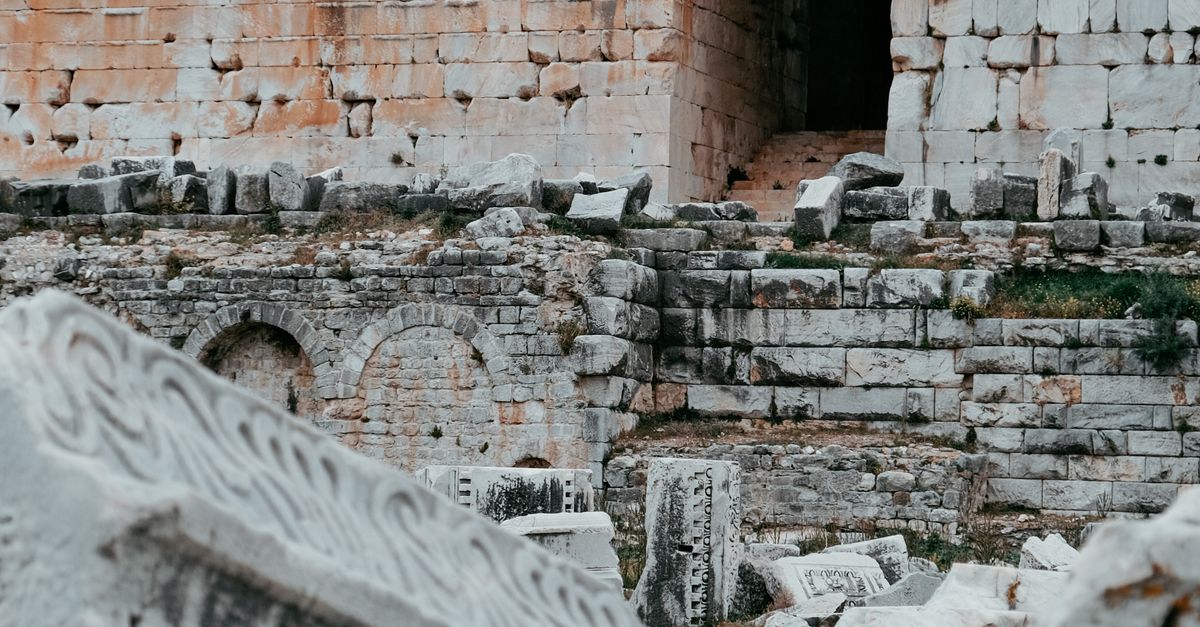
La Vouivre Normande: the serpent nobody describes the same way twice
In the Bocage Normand, the vouivre is not a dragon. It is something more specific and more local — and the disagreement about what it looks like is itself the point.
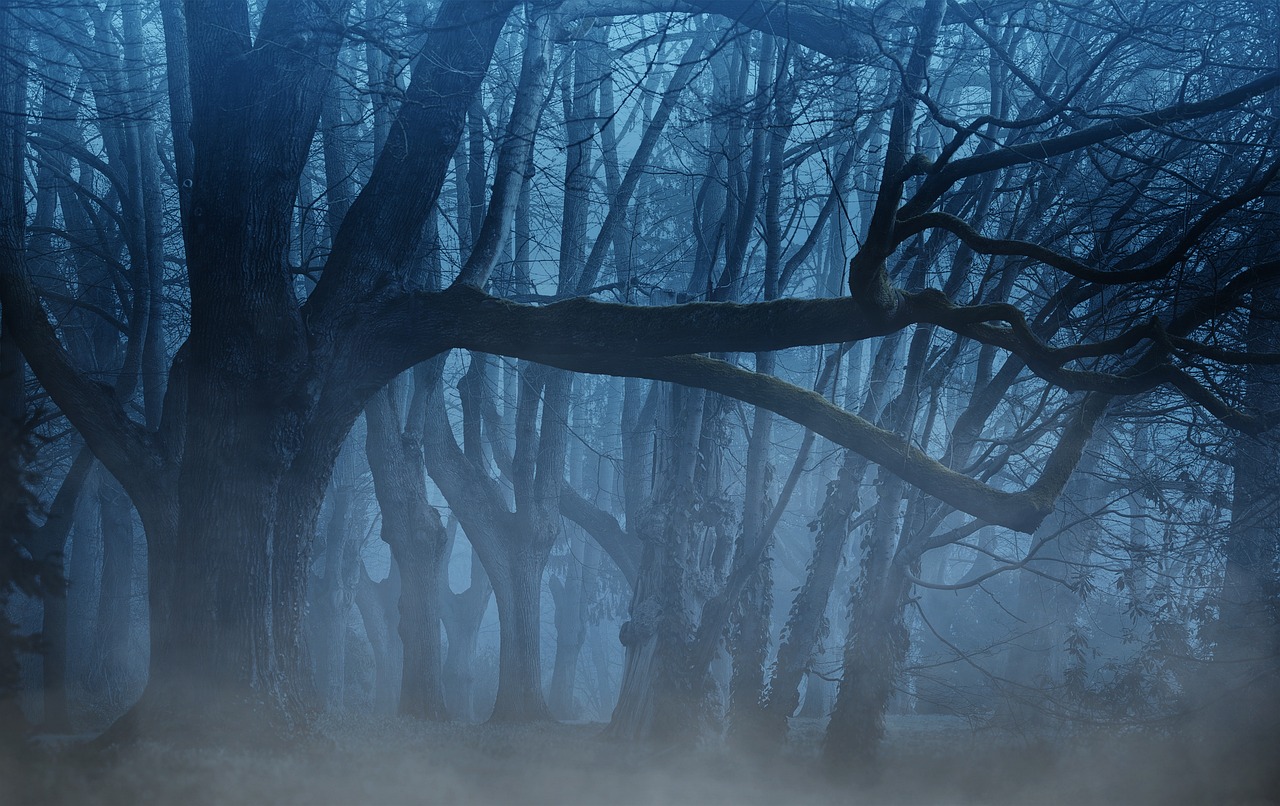
The dead of the crossroads: what Norman tradition actually says
Crossroad burial, crossroad avoidance, crossroad offering — the three distinct practices that get blurred into one vague idea about haunted junctions.
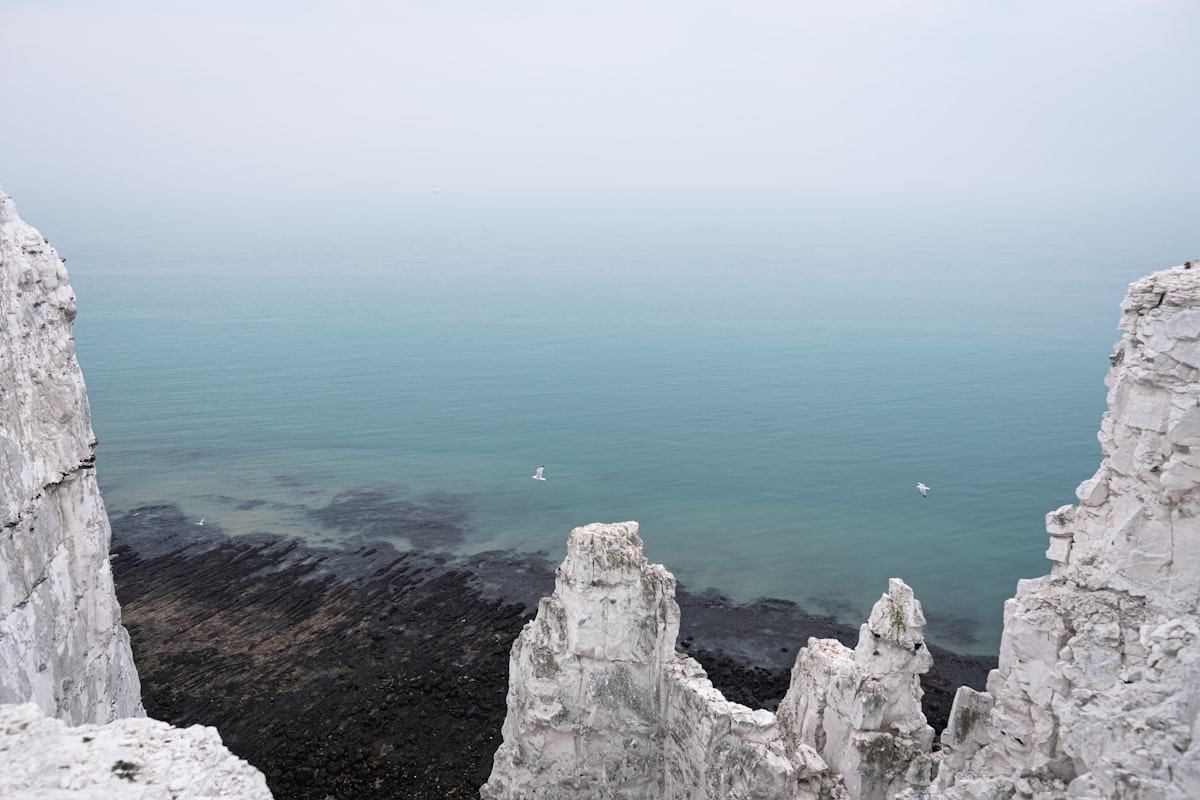
Korrigans of Brittany: the word is doing a lot of work
The korrigan is not one thing. Sorting through what Breton sources actually say — and where the nineteenth-century Romantics distorted the record.